Showing posts with label naturopathic medicine. Show all posts

All in a Day's Work

By Marcia Prenguber ND, FABNO

Sunrise Today
Photo by fmc.nikon.d40 via Flickr, under the Creative Commons license.

All in a day’s work – a day of repeated inspiration. The challenge is how to record the events of the day, to savor the beauty, to reflect on the challenges, and process the losses. Starting the day with an early morning meeting referred to as Breast Clinic, the team of providers (pathologists, radiologists, mind-body counselors, naturopathic residents, medical, surgical, radiation, and naturopathic oncologists) sit in a darkened room to view scans and path slides. The details of the diagnoses of patients with newly diagnosed or recurrent cancers of the breast are presented, reviewing the pathologic nature of cells projected more than 200-fold on the screen in some ways give us a more real view of the enormity that these cancer cells play on an individual’s life. The stains that color these larger than life cells cast them in a friendly hue, but the meaning that those stains convey is not so good natured. I’ll admit, at first glance, this environment may not appear very inspirational. However…

The intensity of thought and depth of care that is evident during the discussion of the PET/CT scans, the path slides, and the Breast Surgeon’s review of each patient’s story as told to her by the patient is inspirational. The focus on the significance of each assessment, the conflicting information, the challenge to weigh the details appropriately make it very interesting, but inspirational? The details of each patient’s efforts to cope with the circumstances of the changes in their lives since the diagnoses, their lifestyle habits and all the rest of the information gathered by each of us in the time spent with the patients contribute to our understanding of the patients and fuels the fires of inspiration. Knowing these details about their lives gives us pause to reflect on what we do with our own moments in time. These patients inspire us to pay attention, to focus on the details, to bring to them the best that we can be, in whatever discipline we represent.

As a naturopathic physician, all of those details that patients bring to the cancer center matter to me. I look at this as winning the big prize – I get to use all that information in developing my treatment plan. And then to put icing on the cake, I get to spend time exploring these pieces of information with the patient – and just getting to know the patient. The most significant source of inspiration comes from learning who each patient is and how each one of them is dealing with this new challenge. What strategies do they each use? When and why do they choose not to know more? How do they deal with pressure from family and friends to try everything under the sun to try to treat the cancer? That these patients share this is such a privilege. Their courage, their strength, and their vulnerability inspire me. And makes me look a little deeper.

So, as the sun starts to come up in a spectacular sunrise and the morning meeting comes to a close, I am reminded that it is the start of another gorgeous day that I have the good fortune to go spend time with those patients. And to do so as a naturopathic oncologist – what a fabulous profession.

The Cream Rises to the Top

By Carl Hangee-Bauer, ND, LAc
AANP President

Photo courtesy of psdGraphics.
In my daily practice life as well as my "political" life as AANP President, I am always on the lookout for trends and conditions in my communities, both local and national, that have effects on my practice and my profession. I came across some news recently that caught my eye and has had me thinking about its ramifications.

Along with being licensed as a naturopathic doctor here in California, I have also carried an acupuncture license since 1989 and have been a long time member of the American Association of Acupuncture and Oriental Medicine (AAAOM) as well as my state acupuncture association. Recently, the AAAOM published a study of the acupuncture profession that found, among other things, that despite the prevalent use of acupuncture in the United States, the demonstrated cost-savings and effectiveness of acupuncture treatment, and the wide reimbursement by third party payers, many licensed acupuncturists are finding it hard to make ends meet.

In John Week's Integrator Blog, he quotes Lisa Rohleder, LAc and co-founder of the Community Acupuncture Network, who concludes that "Acupuncture education, and the conventional acupuncture business model, ought to come with a warning label, the way cigarettes do: NOT SUSTAINABLE. May take years of your life and leave you with nothing, except huge student loans."

In short, licensed acupuncturists graduate and get licensed, but then struggle for years to pay off student loans and get paid appropriately for their education and skills.  Many encounter barriers in third party reimbursement.  Many fail.

Sound familiar?

As naturopathic physicians, many of us feel that one of the reasons it is hard to make a decent living is that many people out there just don't know what an ND is. But is that truly the case? It seems to me that most if not all people know something about acupuncture -- what it looks like, what it's good for (at least pain, anyway). And yet acupuncturists are dealing with some of the same frustrations and challenges that affect the naturopathic profession.

As I said before, this has given me much to think about, and I've come to some conclusions.

First, the good news: we are not alone. If LAcs are struggling with these issues, you can bet that it's affecting other "CAM" providers. We tend to think we are unique, but maybe not so much.

Next, knowing that these challenges exist, we can and must do better on all levels. Our colleges have to do a better job at preparing our graduates to enter the healthcare marketplace. The AANP has to be more active at developing programs and resources for our member physicians in order to help them excel in the business of naturopathic medicine. Our state organizations must help build awareness of our profession and, together with the AANP, "brand" naturopathic medicine as a desired choice for patients. The AANP and the states must work together better to strengthen laws and policies that allow access to naturopathic care via state and federal programs and remove the unfair barriers to naturopathic physicians in federal and state health programs. For example, did you know that while the Department of Education recognizes ND educational programs as on par with MD and DO training, we are still effectively shut out of loan repayment programs for our ND graduates? If this is not unfair, I don't know what is.

Our graduates (you) have to take the individual initiative to learn the elements of successful practice and focus on the business of our medicine as well as its practice. There are pages devoted to practice growth and success on the AANP website.  Log-in and then visit select "Practice Resource Library" after clicking on "Practice Tools."  There are several courses taught by successful NDs that will help new graduates learn the tools to be successful.  The resources are out there and we must take the responsibility to use them.

When I graduated from Bastyr in 1984, there were few choices for people entering the profession. One could go into a solo practice, perhaps join a small group practice, teach at one of the schools, or maybe work for a supplement company. Now I'm amazed at the choices graduates have, and I am particularly excited to see the increasing opportunities in integrative medical settings for us to take our place alongside our "mainstream" colleagues. I, for one, think our profession could do much more to prepare our graduates to enter these new medical settings.

I can tell you that, both individually and collectively, we are up for these challenges. "The cream rises to the top," it's said, and naturopathic medicine is the gold standard for people seeking new choices and new directions for their healthcare.

Fall Cleansing: Perfect Timing and Optimal Process

By Sara Thyr, ND

Have you heard that spring and fall are ideal times to do a cleanse? In the spring, new buds signal a time of growth, and people are inspired to do spring cleaning. In the fall, as the growth season winds to a close, a cleanse is an ideal way to prepare for winter, the holidays and hibernation.

A biannual detox is a welcome addition to one’s healthcare regimen.

If you are living on this planet, even under the best of circumstances, you are exposed to toxins. They are present in many situations, and we easily absorb them into our bodies. Toxins are prevalent in pollution, and in average automobile exhaust. Just driving your car or walking down the street can add to your toxic burden. Everything from our food and medications to our homes and personal care products, such as lotions and aftershave, can add toxins to our bodies.

People come to do a detox for a variety of reasons: hormonal symptoms – such as PMS or perimenopause, skin issues, fatigue, headaches, infertility, autoimmune disorders, elevated cholesterol, and a variety of inflammatory disorders. Once people are aware of the many toxins in our environment, even those who eat organic and keep their cleaning products as clean as possible often want to detoxify a couple of times per year as a good preventive strategy.

Organs in our bodies that assist us in detoxification on a daily basis include the liver, lungs, kidneys, digestive tract and skin.

Many of the over-the-counter detoxification kits include intestinal cathartics – even natural ones like senna and cascara – which can induce explosive bowel action, cramping and discomfort in many people. Having optimal digestive function is critical for proper elimination and detoxification, but this type of abrasive action is not recommended. (If someone is continually constipated, then they likely need a detox more than most people, since their detoxification action in the digestive tract is limited. They may benefit from cathartics, but should use them only in the short term. Constipation can be resolved by treating underlying causes, not just depending on laxatives.)

While all of the organs of detoxification are important for optimal health, focusing on the liver and assuring excellent elimination makes the most sense. The liver is really the powerhouse of detoxification in the body. Most medications have to pass through the liver in order to be eliminated. Our liver function affects our hormones and our ability to clear other toxins to which we are exposed.

An ideal plan for detoxification includes diet changes, such as eliminating alcohol and caffeine, sugar, refined carbohydrates and any known food allergens.

Supplements that may be helpful will provide nutrients and herbs for liver support and a fiber source to improve elimination.

Saunas, steams and massage will also aid in the body’s detoxification process.

The type of cleanse that is best for an individual will depend on one's symptoms and personal goals. A licensed naturopathic physician can tailor a plan to their specific needs.

Think Diet Doesn't Affect Your Immune System? Think Again.

By Sara Thyr, ND

I’m writing in response to Jennifer LaRue Huget’s article in The Washington Post, “Even Carefully Selected Foods Won't Make You Immune to the Flu”. I appreciate that the author wants to explore the possibility that nutrition might prevent illness, but she seems to have taken a rather short-sighted approach. Huget’s article investigates if one food can prevent the flu, instead of looking at the effect foods have on the body and the immune system, both positive and negative. Food has a profound effect on the body. It doesn’t take a PhD in biochemistry to figure this out. The cells of the body, including the immune system, all chug along using the fuel that they get from what we ingest. So if you are ingesting mostly Twinkies, you may have fewer necessary nutrients in your cells than if you are ingesting carrots.

But let’s not be too extreme. Really, how many of us are eating Twinkies these days? But if you eat sugar, let’s say delicious homemade cookies, or an iced mocha, it can depress your immune system for hours afterward. If you are having sugar all day long – even in small amounts – you will be much more likely to catch whatever is going around.

I’ve often marveled at the large offices with candies on many people’s desks. They are more likely to pass around illness just due to their proximity. Then add in lots of sugar – recipe for spreading the flu.

Huget draws bizarre conclusions about how foods affect disease. Take this paragraph:
"The immune system is the result of an extremely complex interplay of various functions within the body," said Darwin Deen, senior attending physician in Montefiore Medical Center's department of family and social medicine in New York. "We know that if the system is deficient, you're susceptible to infection. That's the case with HIV. But we also know that if the system is hypersensitive, you'll have allergies, and if it's turned toward the wrong tissue, you have autoimmunity" -- where the body turns on itself. So efforts to "boost" the system, even through diet, might produce unintended consequences.
Too many organic greens and blueberries and you’ll turn up with Lupus? That’s a really broad conclusion to draw - not to mention, completely counter intuitive.

Huget should have talked to people who actually believe in healthy food and prescribe it for their patients. There is good research showing that eating garlic, turmeric and maitake mushrooms does improve immune system function.

Not that I insist that my patients eat 10 cloves of garlic a day to stay well (although that’d probably do the trick). I think that food for us is a hotbed issue. And the trick is to eat whole foods, healthy foods, while avoiding the foods that suppress the immune system.

Don’t buy into the latest superfood that’s backed by a trade group? I’m not advocating for trendy natural foods eating – far from it. But you should keep in mind that, here in the fine capitalistic America, someone is bound to profit from your purchase. How do you think the whole food pyramid was built? Pretty much by the milk and bread industries.

What is most discouraging to me is that the millions of people who read the Washington Post weren’t encouraged to eat foods that are good for them. They are told to get the shot, wash their hands and hope for the best. The lives and health of Huget’s readers have so much potential to be improved – cavalierly tossed away.

In truth, the best option for readers hoping for an alternative to the flu vaccine, is to seek care from a naturopathic physician, who will likely assess your adrenals, make sure that you don’t have food sensitivities (which can really throw your immune system out of whack) and create a personalized plan to keep you well this flu season and all the seasons to come.

Feeling That Post-Convention Glow

By Lise Alschuler, ND, FABNO
AANP President

It is several weeks now since our annual AANP Convention in Tacoma. And, yet, I still feel warmed by it. There is something so incredible about a gathering of hundreds of passionate, intelligent and like-minded people who actually like being with each other. I don’t know if it was the genuine joy that I felt and witnessed as people greeted each other, or the reverence with which we listened to some of our speakers and presenters, or simply the act of sharing good food together… but something makes our convention feel good. Really good. And that good feeling lasts. I still have a little glow emanating from me.

All this makes me realize that despite health care’s highly contentious politics, heartbreaking inequities and confused analysis and repair, there are points of calm amidst this storm. The naturopathic community is one of these and is like a hearth fire. The steady flame that we keep alight draws people towards us. People who are embittered with the cold void of depersonalized healthcare seek us out. We warm them up, remind them of our shared humanity, and give them the gift of optimism and possibility. Some stay with us and our collective grows. Others leave as ambassadors to bring guidance and insight to the great, diverse and rugged terrain of health care.

I realize that this may sound a bit grandiose. I mean, really, how could a profession of thousands, in gatherings of hundreds, possibly influence the world around us in this way? I can’t prove that we do. I believe that we do. In the new physics, we know that there are a multitude of fields around us at all times – most of which are in dimensions that we don’t even know exist. Physics also tells us that every thought, every action and every intention impacts these fields and creates change that affects everything else. Following this same logic, collective intention that is manifested as cohesive action (e.g. our naturopathic convention) has major impact on these fields, becoming a force in the universe. The force of naturopathic medicine – directed, resilient and powerful.

We know our world is in great need and I am deeply grateful for the wisdom and love that the naturopathic profession holds forth. I simply cannot imagine this world without it. And, I have every confidence that we will continue to help shape a better future.

All this from the convention!

Julie, Julia, and Naturopathic Medicine

by Marcia Prenguber, ND, FABNO

So I have just returned home from seeing Julie & Julia – fantastic movie! As soon as I arrived home, I immediately went in search of my copy of Julia Child’s Mastering the Art of French Cooking. The sense of enthusiasm and the excitement of the projects these two women undertook is some significant bit of inspiration. And what does that have to do with a blog on naturopathic medicine? The pounding heart excitement about the world of cooking and the pleasure of food in the movie is the same as that which I feel about our medicine. No, I have not lost my mind – I am just recognizing my joy as it is portrayed in the movie. The chance to explain our medicine to a patient who is unfamiliar with the principles and tools of naturopathic medicine, the opportunity to educate a group of health care librarians who are naïve about the medicine, or the questions that come from the group of medical doctors listening to a presentation on the integrative approach to treating cachexia makes me feel like the Julia Child played by Meryl Streep. Yes, I can get that excited and I am sure many of you do as well. I know that this is passion – but really – that is such a tame label compared to what I saw in this movie! Julia makes her passion sooo much fun! Maybe it’s her voice.

My husband and I recently had the delightful opportunity to visit a gentleman who is also a patient of mine, and his wife, at their home. We live in a rural area that is home to a large group of Amish, known for their choice to live without electricity, to use horse and buggy for transportation, and for their magnificent vegetable and flower gardens. As we visited with this Amish couple and enjoyed the strawberry pie they made that afternoon, their children and grandchildren began to gather in their home. Word was out that we were there to visit and it was an opportunity to chat. We talked about organic gardening, about energy production, and about various approaches to health - conventional, naturopathic, and Amish healing. We all had lots of questions, ideas to share, and great pie. How much better can it get? So my enthusiasm, like Julia’s, is organic, local, and renewable.

Letting Nature Heal

By Jacob Schor, ND, FABNO

Reading Lise’s blog just now generated a response that isn’t suitable for print that questioned what I could write that might be appropriate to follow her treatise on universal love and chronic disease.

I’ve been thinking about much more mundane matters; how cold and rainy it’s been in Denver in contrast to Portland which apparently has had a bit of a warm spell. Those sorts of things. OK, let’s try writing this AANP thing:

I was up later than I wanted to be last night following an interesting trail through PubMed. There is growing awareness that serotonin may affect bones for the worse, increasing bone loss and increasing risk of osteoporosis and fractures. The first hints appeared a decade back and have gradually accumulated over the years. At this point it’s pretty much a sure thing. Taking SSRIs in order to increase serotonin levels increases bone loss.

This new knowledge shows up as our suppliers are once again selling l-tryptophan and promoting its use to increase serotonin levels.

OK, so we should be a bit more cautious with blindly raising serotonin levels in our patients. But the bigger issue is what were we thinking in doing this in the first place? After all, we are we not supposed to be naturopaths and is not our goal supposed to be to stimulate the vital force or the vis medicatrix naturae or something along that line. What does feeding our patients with isolated chemicals, in this case l-tryptophan or 5HTP, have to do with stimulating the vis?

What we were thinking of course is that Prozac works by raising serotonin levels and sometimes makes people happier. If Prozac and l-tryptophan do kind of the same thing, well the later is more natural and seems like an ‘alternative medicine.’ The thing is that we are not ‘alternative medicine doctors.’ We did not go to ‘alternative medicine school.’ Perhaps we need to remind ourselves this once in awhile.

The more we understand about the human body, the less sure I am that I really understand anything. Serotonin is made in both the brain and the gut. L-tryptophan is converted into niacin or serotonin and can then be made into melatonin. The gut makes far more melatonin than the brain does. Serotonin and melatonin play at least several roles in the intestine, helping regulate intestinal motility, healing injury and moderating inflammation.

So though exceptionally easy to reach for a bottle of l-tryptophan or of melatonin I still wonder, is it the right thing to do? Might we get a deeper and more profound effect by taking a more ‘naturopathic’ approach? I often find myself imagining how particular patients might respond to a month of old time nature cure. If they were to spend day after day on forced hikes through the Austrian Alps, early to bed and early to rise, bathing in cold water, the whole deal, how many of their complaints might resolve without further intervention? Would this push start a more robust circadian cycle and by strengthening melatonin fluctuations not have some positive influence on serotonin production as well?

Neither we, nor our patients, often have the luxury of really testing out these imagined months away from job and family so we are left with the simple question. How best to restore normal function with the least intervention? In the end, patients don’t come to us for philosophy, they come to us for help. If a bit of an amino acid nudges a patient’s chemistry so that she sleeps better, it’s not the end of the world. Yet, few of us are satisfied that this is a cure, but it is an improvement.

Although my concerns over serotonin and bone mass are new, the questions it raises in my mind are old. Not just for our profession, but through the history of medicine. How much does the physician intervene? How much do we step back and let nature heal? Do we know enough to help nature heal? Are our theories correct or will our misinformed attempts backfire and interfere with nature’s own efforts? Or to ask the sacrilegious question, ‘Does nature really know what to do in the first place?’

As a profession we can be almost cultish in our belief in nature as an all-knowing omnipotent healer. Let me quote a respected medical writer on nature’s healing properties:
“If the organism alone is left to the task, by its own forces and without external aid, …. we then witness nothing but painful, often dangerous efforts of nature to save the individual at whatever cost, which often terminate in extinction of the earthly existence, in death….What the vital force does in these so-called crises and how it does it remains a mystery to us like all the internal operations of the organic vital economy. One thing, however, is certain: that in all these efforts more or less of the affected parts are sacrificed and destroyed in order to save the rest.... In short, the entire operation of the self-aiding power of the organism when attacked by disease displays to the observer nothing but suffering, nothing that he could or ought to imitate if he wishes to cure disease in a truly artistic manner…..

“……the unreasoning life-preserving power when left to itself in disease, which, entirely dependent as it is upon the organic laws of the body, is only capable of acting in conformity with these laws, and is not guided by reason and reflection—the crude nature, which cannot, like an intelligent surgeon, bring together the gaping lips of a wound and by their union effect a cure; which knows not how to straighten and adjust the broken ends of a bone lying far apart, ……which cannot put a ligature on a wounded artery, but in its energy causes the patient to bleed to death; which does not understand how to replace a dislocated shoulder……which in order to remove a foreign body from the cornea, destroys the entire eye by suppuration; which with all its efforts, can only liberate a strangulated hernia by gangrene of the bowel and death; and which by the metaschematisms it produces in dynamic diseases, often renders them worse than they were originally.”

-Samuel Hahnemann
Our image of this Vis that we so eagerly wish to embrace and employ to heal all patients of all things is perhaps oversimplified. Great doctors for centuries have professed and debated the nature of this ‘power’ and how best to aid and abet it.

Our image of the Vis is a conglomeration of the ideas put forth by these great practitioners, often very conflicting ideas, that in our innocence we think are all one and the same. The proponents of the Vis Medicatrix Naturae would view our interpretation of their ideas as a hodgepodge of opposing thoughts and our attempts to utilize the healing power of nature as to be inconsistent. We are justified to criticize some of these practitioners for using violent treatments on their patients justifying their actions because they were mimicking the healing power of the body when it triggers vomiting, diarrhea, ulceration and hemorrhage.

So who am I to question whether l-tryptophan is good or bad. The only thing I can say today is that current information suggests the need to balance Tryptophan use against risk of osteoporosis.

Reversing Type 2 Diabetes Using Natural Therapies

By Susan DeLaney, ND, RN

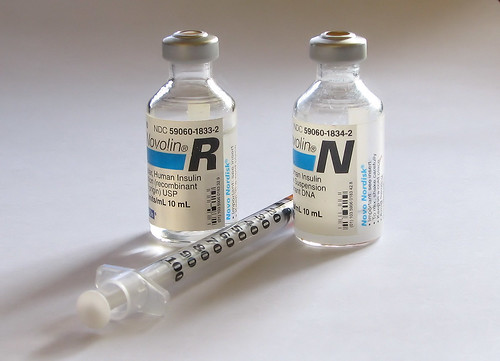
Natural remedies can help reduce or even eliminate the need for insulin in Type 2 diabetes patients.
Photo by .:[ Melissa ]:. via Flickr, used under the Creative Commons License.
Conventional medicine recommends exercise, a healthy diet and losing weight to prevent the development of Type 2 diabetes. But these same measures, along with a few supportive supplements, can also reverse the disease process. After many years of eating highly refined foods and excess sugars, one's nutrients stores are depleted. My real focus in reversing Type 2 diabetes becomes one of restoring health through nutrient rich foods. It is unfortunate that the conventional practice of medicine operates from the perspective of disease management and not the restoration of one’s health. With treatments that only manage the disease symptoms, the progression of the disease continues even with excellent control of blood sugars. Blindness, peripheral neuropathy, and heart and kidney disease are the long term consequences of a disease only held in check by medications.

In one patient's case, just eliminating all processed foods for one week, such as cereal, bread, pasta, crackers, pizza, cake, cookies--anything that made from a refined grain or sugar--reduced the need for insulin shots by 50%! He was able to maintain the reduction in his insulin doses by restricting these foods and eating high-nutrient foods such as eggs, meats and healthy fats such as butter, cheese, nuts and avocado. Beans became a daily staple of his diet, along with greens and any fruit and vegetable he desired. Daily exercise of his choice for 30 minutes each day was also initiated to improve his glucose levels.

Typically diabetics have low vitamin D levels, which is really just “the canary in the mine” indicating that they are low in all of the fat soluble vitamins such as A, D, E and K. The fat soluble vitamins (not really vitamins but pro-hormones) act together to help regulate many aspects of the immune and endocrine system. Using cod liver oil (high in vitamins A and D) along with High Vitamin Butter Oil (high in vitamin K2), these food-based supplements begin to restore these deficiencies. The diets of traditional people eating their native diets contain 10 times more fat soluble vitamins than the western diets of today. Restoring healthy fats to our diets, as well as eliminating trans fats and all refined oils that help deplete our fat vitamin stores, will help nourish the body and reduce the need for diabetic medication.

Along with the introduction of healthy fats, I also use a fermented powdered food from fruits and vegetables taken twice a day as a supplemental shake to increase the nutrient levels, speeding up the healing process. After six weeks, my patient was able to drop his insulin by 75% with a weight loss of 8 pounds. He continues to take metformin for his elevated blood sugar levels, but after 3 months is off all insulin. Along with the reduction in his insulin levels, his Hemoglobin A1C levels have dropped from 8.8 to 7.0.

Continuing his nourishing diet and supporting his system with food based supplements should totally eliminate his need for medication in the future. Restoring health prevents the development of chronic disease and reduces the need for expensive medication. It is possible to reverse, not just manage, Type 2 diabetes using natural therapies.

Homeopathic Treatment of Psychiatric Conditions and Emotional Imbalances

By Christopher Johnson, ND

Photo by Eggybird via Flickr, used under the Creative Commons License.
As a naturopathic physician I work regularly with patients who have emotional imbalances, sometimes as a chief complaint, and sometimes as simply one symptom amongst many. It seems that having some degree of anxiety and/or depression is simply a part of being human – most persons experience them at some point in their lives.

In practice, I have had significant success in treating clinical psychiatric conditions such as anxiety and depressive disorders, ADHD/behavioral disorders, PTSD, bipolar affective disorder and panic disorder using homeopathy. Most patients who come to me for help with these conditions are using psychotropic medications, but are often able to discontinue or reduce the dosage of these meds (under the supervision of whoever prescribed them) once they experience improvement.

In addition to treating clinically diagnosable psychiatric conditions, homeopathy is also extremely effective at treating everyday anxieties, irritabilities, moods, etc. Literally every day I see patients who come back for their first follow up visit to tell me they feel less anxious, irritable, etc. This, even though many of these patients did not come to me for help with emotional issues and in some cases were not even aware the issues were present until they took the homeopathic remedy, became healthy, and realized how good it feels to be without emotional imbalances.

Not only do many patients tell me they feel less anxious or depressed, I actually expect it from every patient. If it is not so, I have not given them the correct homeopathic remedy and they are not truly healing. A healthy body is an emotionally calm and happy body.

Homeopathy restores health quickly, gently and usually in a permanent fashion by stimulating the body’s own healing capacity.

People are often amazed to see that emotional issues can be resolved without years of psychotherapy, yet this is common with homeopathic treatment. In other cases, patients who are undergoing psychotherapy and are intellectually aware of their issues but unable to resolve them often have rapid progress upon initiating homeopathic treatment. I have seen patients suffering from anxiety for 30 years have it resolved within weeks of homeopathic treatment.

The fact that homeopathic remedies affect the body in this manner is not trivial. Two recent major studies demonstrated that anxiety is a very significant risk factor for heart disease – as much or more than hypertension, elevated cholesterol, etc. An anxious or depressed body is one out of balance and at risk for all manner of diseases.

Unlike conventional medical treatments, homeopathy has no side effects and the positive effects are curative (to the extent the body is capable of healing) – meaning that treatment need only proceed for a finite time period, after which the patient no longer need use the homeopathic remedy to remain healthy. This was demonstrated in a 2008 study which followed 3,709 patients for 8 years. It found, “Patients who seek homeopathic treatment are likely to improve considerably. These effects maintain for as long as 8 years.”

The following is a sampling of trials demonstrating homeopathy’s effectiveness in treating psychiatric disorders:

In a 2009 randomized, double-blind trial at a Brazilian state medical school, homeopathy outperformed Fluoxetine (Prozac) on all measured parameters in treatment of moderate to severe depression.

A 2006 study of 1,783 patients receiving homeopathic treatment for a variety of complaints found, “Strongly positive outcomes… were achieved most notably in the frequently treated conditions of anxiety, depression, and irritable bowel syndrome.”

A 2005 randomized, double-blind, placebo-controlled study published in the European Journal of Pediatrics found, “scientific evidence of the effectiveness of homeopathy in the treatment of ADHD, particularly in the areas of behavioral and cognitive functions.”

Thoughts Ahead of the 2010 Convention and Elections

By Carl Hangee-Bauer, ND, LAc
AANP President
The days of summer are filled as we approach our annual convention and elect our newest AANP leaders.

As I write this, the AANP convention in Portland is only 3 weeks away! All over the country and especially in Washington, D.C., preparations are underway to make this one of our best gatherings to date. As I’m sure you all know, this year we mark our 25th anniversary as an organization and we plan to celebrate in a big way as we look back at the accomplishments the AANP has made and, more importantly, look to the future and imagine what we can accomplish in the next 25 years.

In the days before the convention opens, leaders from the naturopathic profession will gather in Portland to focus on business and planning. The AANP Board has a two-day meeting planned including a one-day board retreat to focus on how to increase our effectiveness as a team. The House of Delegates will meet and consider a variety of topics including ethics and standards of care. The Naturopathic Coordinating Council, a summit of leaders from across our profession, will come together at NCNM to develop a strategic vision for the viability, sustainability, and success of the naturopathic medical profession in the context of global health and wellbeing. These are but a few of the meetings held in advance of the big event.

On Wednesday, August 11th, the fun begins as our tribe comes together for four days of education, reconnection, and celebration. The quality of the continuing education sessions is outstanding, with many of our favorite speakers and teachers presenting, including Dr. Steve Austin, Dr. Jared Zeff, Dr. Joe Pizzorno, Dr. Michael Traub, Dr. Lise Alschuler, Dr. Dickson Thom, and a host of others who are very popular with our convention attendees. Personally I’m really looking forward to Drs. Schor and Bloom’s session on gelotology and hope my busy schedule allows me to attend as many sessions as possible.

As great as our sessions are, the reconnections we make each year (seeing old friends and making new ones) and the alumni events and receptions are what reinvigorate and inspire me the most. We are a relatively small profession, which makes it possible to know many of our peers on a very personal level. The friendship and intimacy we have as a group is very special and becomes especially evident when we come together.

There will also be more time for fun with a family picnic planned for Friday afternoon and, of course, our gala awards banquet and dance on Saturday night. We have quite an evening planned, where we will honor our leaders and pioneers as well as look forward to the potential this profession has in improving the health of our patients, the nation, and the world. This is an event not to be missed! As the Beatles would say, “A splendid time is guaranteed for all.” I hope to see you all there.

On July 24th, our voting opens for our next President-Elect as well as new board members. The AANP is a member-driven organization. We elect our leaders to represent our interests, and the officers and board members of the AANP consider this with every discussion and decision we make. We are here to serve you and to meet your needs as best we can, and your input into the elections process and your vote are crucially important in choosing our leaders and the direction the AANP takes.

I am very impressed by our list of candidates this year. All have demonstrated leadership and a desire to serve. We have two of our finest running for President-Elect: Dr. Tim Birdsall and Dr. Michael Cronin. Both have extensive leadership experience, are committed to the profession and the AANP, and have a clear vision as to how to move this profession forward. Please take the time to read the candidates statements and the responses to the weekly “Meet the Candidates” emails you’ve been receiving so you can choose who best fits your vision for the AANP.

And most importantly, VOTE. The voting is easy, will be online this year, and will close August 6th. Make your voice be heard!

I look forward to seeing you all in Portland at what promises to be a memorable event!

Celebrate our New Beginning, Meet and Greet Jud

By Michael Cronin, ND
AANP President

The end of July, beginning of August, is the most exciting time of year. Our Board, volunteers and staff are hard at work making sure all of the “t’s are crossed and i’s are dotted” as we draw closer to the Annual Convention.
Every time we come together, I am reminded of the great things we can accomplish when we work together. I look forward to conquering our next goals. Let’s make Lorilee Schoenbeck’s chant, “50 in 15,” into a reality and bring all citizens’ awareness to what naturopathic medicine is! Every American should know that physicians and patients can work together to facilitate the integration of health and healing. Patients should know that they do not have to settle for only their symptoms being treated. There are doctors who will target the root causes of disease so that a full and healthy life can be lived.
One of the main goals at this year’s Conference, in addition to connecting face-to-face, is to gather your feedback on how we can strengthen the AANP to achieve our goals. Additionally, we will celebrate the beginning of a new era with Jud Richland, our new chief executive officer. We would like as many of you as possible to be able to attend. With this in mind, we are extending the early bird registration for the AANP Conference through Friday, July 20, 2012.
I can barely contain my excitement to introduce Jud Richland to you. Here is what he has said so far about our community after only a few days in office, “You have chosen to commit to a profession that is truly transformational. To honor your commitment, your professional association must also commit to being transformational. Thus, for AANP the greatest danger is not that our goals are too lofty and we miss them, but that they are too low and we reach them. The association has a thoughtful and impactful blueprint for action.”
Come and celebrate with us at the AANP conference! Learn about our “thoughtful and impactful blueprint.” Find out how you can be part of the "action." Share in the enthusiasm of the AANP team and become a volunteer for a project that fires your passion.
We have an excellent CE Program and there will be lots of social and fun things to take part in like our opening and exhibit hall receptions, the “all schools” dance, and more. While in Seattle area, I would also recommend you take some time to visit the Bastyr Center for Natural Health. A new study affirms our commitment to patient centeredness. The Puget Sound Health Alliance found the Center at the top of their lists for patient experience with communication, getting timely appointments, care and information, and helpful, courteous office staff. Congratulations to the Bastyr team!
It is time to renew old friendships and to help AANP get off to a fresh start.  Meet us in Bellevue and be part of the discussion on how our community can come together to achieve success. Help us expand the influence and impact of naturopathic physicians. 


See you in August!


Order Matters

By Jacob Schor, ND
Photo by Kanko* via Flickr, used under the Creative Commons License.
If order matters, what comes first?

The implications of a study published way back in February in Clinical Cancer Research have been stewing around in the back of my mind. It’s one of a growing cascade of studies in which researchers at fairly mainstream medical institutions reveal that they’ve been playing with stuff that’s standard fare on a naturopathic doctor’s dispensary shelves.

In this instance we are talking about researchers from the Mayo Clinic in Minnesota playing with various combinations of curcumin, an extract of turmeric and green tea, and seeing how they affect lymphocytic leukemia cells.

As much as we still occasionally hear and read the myopic criticisms of our profession that claim our therapies are not backed by research, this study is just one of many. A PubMed search just now of the National Library of Medicine’s published scientific literature on curcumin and cancer yields a list of 1,265 articles. A search on green tea and cancer yields 1,338 published papers in the peer reviewed journals.

This particular study was similar to many others; cancer cells were grown in a laboratory, exposed to the ‘natural’ ingredient, and the degree to which growth was slowed down or that cancer cells were inspired to drop dead was measured. In this particular experiment, chronic lymphocytic leukemia B cells were the targets. Nothing unique about this setup.

And no surprise that the curcumin was found potentially useful. Here let me quote from the results in the abstract and then translate the interesting parts:

“Curcumin induced apoptosis in CLL B cells in a dose-dependent (5-20 micromol/L) manner ...”

‘Apoptosis’ is when a cell decides life isn’t worth living and self-destructs. Curcumin convinces these leukemia cells to commit suicide. The more curcumin added to the cells, the more died.

“Coculture of CLL B cells with stromal cells … decreased sensitivity to curcumin.”

Adding some other cells, stromal cells, into the mix decreased the curcumin effect; fewer cancer cells died.

“When curcumin was administered simultaneously with EGCG [green tea], antagonism was observed for most patient samples.”

Adding green tea extracts along with curcumin to the mix of leukemia and stromal cells caused, what these scientists called ‘antagonism.’ That’s an odd term and you need to view the full text article to get an idea of what they mean by antagonism. Put simply, the combination of the two natural substances, green tea and curcumin, didn’t work as well as predicted: “… simultaneous culture had a less than additive effect.” That is if you measure the anti-cancer effect of each substance separately, you can add the two ‘effects’ together to predict what should happen when both are used simultaneously. It turns out they don’t work as well as predicted; they antagonize each other.

“In contrast, sequential administration of these agents led to substantial increases in CLL B-cell death ...”

When instead of adding both curcumin and green tea to the culture at the same time, the cells are instead exposed to one agent and then the other, the story changes completely. They tried treating the cells first with curcumin followed by green tea, and vice versa. To quote the authors, “… sequential administration led to dramatically more leukemic cell death than simultaneous administration.”

Not only did exposing the cancer cells to these substances one at a time matter, but order mattered as well. Green tea first, followed by curcumin, worked much better than if the cells were exposed to curcumin first.

Think about the implications this brings to our practices. Sequential administration of treatments may work better than simultaneous treatments. Order matters. In this case green tea works better first.

Typically in practice we pile a bunch of different substances into a patient’s blood stream on the assumption that each has a specific action and these effects will add together. This reminds me of those combination locks that have four or five parallel numbered rings and to open the lock. You line up a number on each ring, get all the right numbers in a row at the same time, and the lock opens.

This leukemia study makes that image obsolete. If sequence matters, just knowing the combination is no longer enough. This is more like the dial lock on a safe. Sequence is essential. Three turns to the left and stop on the right number, then turn the dial to the right past your first number and stop on another specific number. And so on…

Think about this: our cancer patients often take a long list of supplements. This study suggests that, at least in chronic lymphocytic leukemia, we should start them on green tea for a period of time and then switch to curcumin. What if it is a similar story with quercetin, resveratrol, sulforaphane, vitamin D, melatonin and so on? What if there is a ‘best sequence’ for all of these? What if that combination were to vary by cancer? By patient? Or even by dose?

This is worth stewing about. It makes me think of certain patients who tell me they vary what supplements they take day-to-day based the way a pendulum held in their hand swings. Though this sounds less than ideal, it can’t work any worse than flipping a coin to decide on a sequence, which for the time being may still be of some utility.

Now that this study has been published, we shouldn’t be surprised to see other studies up asking this question: “If order matters, what comes first?”

Ghosh AK, Kay NE, Secreto CR, Shanafelt TD. Curcumin inhibits prosurvival pathways in chronic lymphocytic leukemia B cells and may overcome their stromal protection in combination with EGCG. Clin Cancer Res. 2009 Feb 15;15(4):1250-8.

Health, Sustainability, and Time Banking

By Sara Thyr, ND

Photo by ambages via Flickr, used under the Creative Commons License.
As a naturopathic doctor and a small business owner, I am always looking at ways to build my practice. As a permaculture enthusiast, I also search for ways to incorporate more sustainable practices into my life. An exciting find that does both is Time Banking.

As we face these difficult times, Time Banks can help build community, empower people of all ages and skills, and reduce our overall environmental footprint.

Time Banks were created in 1980, during a time of serious funding cuts for social services. With less money available for social programs, civil rights lawyer Edgar Cahn created a system where one hour spent helping someone else earns one Time Credit. People can earn a Time Credit for every hour they spend helping others or building community, and spend one Time Credit for every hour for which they receive help. I help you, you help another, and that person helps someone else down the line.

There are hundreds of Time Banks all over the world, in 33 countries and 36 states. The IRS has ruled that Time Banks are tax exempt, since it is not the same as the barter system, and a Time Credit does not have any attached cash value. Services exchanged are those that help build communities and healthy societies: homework help, housecleaning, oil changes, gardening, driving to appointments, cooking, office assistance, and naturopathic medical care.

The implications for the profession of naturopathic medicine are clear: help build community, increase awareness of how we improve health, treat those who otherwise might not receive care, and receive the services you need in return. People feel empowered because they are converting their own personal time into purchasing power by helping others and sharing their skills and talents. The effects of this system are beyond self-help – they are system change. The reasoning is simple: any efforts to address major social problems with social programs are more effective when they enlist and engage the target population as contributors and co-producers. Time Banking enables people and even organizations to create connectivity, reciprocity, trust, and informal support networks that remain even after the paid intervention is over. Regardless of services offered, whether it be childcare, eldercare, juvenile justice, housecleaning, auto repair, landscaping, family preservation, health care, or community development, programs and service professionals continue to be convinced that when participation from the clients is absent, initiatives fail to realize their true potential. When those who would normally be clients are moved into partners and co-producers, they not only earn the service, but also validation and empowerment as important contributors to society.

Naturopathic medicine has always been community medicine to me. It is more cost effective and empowering. It makes sense that communities will find it to be the most positive and sustainable form of health care available. Any effort to build relationships builds a stronger community and certainly a stronger practice. While I do not mind being absent from the game of insurance, I have often wished that there were a way to treat the people with limited income. Time Banking moves from the difficult systems of sliding scale or barter into one which will not only achieve the goal of opening the health care system, but also keeping the patients involved as partners in their health and in the building of their communities.

Thanks for help with Time Banking information to Anita Smith and http://www.timebanks.org/.

Keynote Presentations at AANP Convention

By Jacob Schor, ND, FABNO
Chair, AANP Conference Speaker Committee

Something unique is about to occur at this year’s AANP convention in Bellevue, Washington.  A number of the keynote speakers have presentations that revolve around and attempt to inform a common theme, the question of how our medicine works.  To my knowledge this has never been attempted at our conferences before. 
Actually William Mitchell, ND, spoke at length about the vis medicatrix naturae but this is going to be different because we are trying to understand and explain our medicine in the context of modern science. I have been asked to write briefly about these presentations and how they will tie together, so that’s what I will attempt here.
Valter Longo, PhD, from the University of Southern California, is going to review his research on fasting and cancer chemotherapy.  Fasting triggers an adaptive response that reduces the damage chemotherapy causes in healthy cells while increasing the cytotoxic impact it has on cancer cells.  While Longo’s results are of great interest to those of us who work with cancer patients, the concept of adaptive response is of interest to all of us.  This same adaptive response triggered by fasting underlies many of the traditional nature cures our profession has long endorsed. 
Robert Rountree, MD, is going to lecture on hormesis and how this applies to the action of many of the modern phytochemicals we use in practice.  Hormesis is the idea that small amounts of seemingly toxic substances can have the opposite effect, triggering an adaptive response that benefits the organism rather than harming it. 
Dana Ullman is going to take this idea of hormesis a step further and apply it to homeopathy.  Could homeopathy be another example of hormetic action used to elicit an adaptive response, just using smaller and weaker triggers?   Dana tells me he is ready to try. 
These three presentations focus on triggering an adaptive response by either stressing the organism or pretending to stress it in order to elicit a healing response.  There is another approach we employ in our practices that is the opposite.
More and more what we try to do is to remove stress and the resulting absence of stress allows restoration of health.  We have two presentations that examine this approach.  David Katz, MD, of the Yale School of Public Health will focus on basic lifestyle modifications.  Getting a patient to stop smoking or lose weight reduces the physical stress on their body.  Our own Lise Alschuler, ND, will speak on the effects of emotional stress and its impact on health and, in particular, on cancer.
We have two additional keynote speakers scheduled.  Dave Macallan, ND, is what I would describe as a serious “talker.”  A one time BBC correspondent, Dr. Macallan will help us define naturopathy to the public. 
Our last speaker is Clemont Bezold who is a part of a unique profession. He is a Futurist and will describe the potential future of naturopathic medicine.

Waging Peace


By Michael Cronin, ND, AANP President
I love the idea that what we are doing in our professional activities is “waging peace.”  This has always been how I have approached my organizing work in the naturopathic profession.  I feel this even stronger since my visit to India. While there, I learned that Mahatma Gandhi is India’s “Father of Naturopathy” and that he imported it from us.
Naturopathic physicians are an essential component in creating a better future. We are forwarding practical solutions that make our communities and our world a better, healthier place. We do this by promoting health and wellness and by treating disease with natural medicine to improve a person’s well-being. We pursue and promote a healthy lifestyle, organic eating, sustainable agriculture, healthy medicines and a sustainable healthcare system accessible to all.
We each have much to offer and we are learning to coordinate our efforts for greater effectiveness. This coordination continues to increase public awareness about naturopathic medicine. A recent article by John Weeks, former AANP Executive Director,  in the Huffington Post highlights naturopathic research  and how it is proving the value of integrative medicine. There are more books being written by NDs now than ever before; some of these texts are getting astronomical circulation. NDs are presenting in several professional arenas. For example, May 16, 2012, a group of NDs presented a systematic review of naturopathic care at the International Research Congress on Integrated Medicine and Health in Portland, OR. In October, there will be two naturopathic workshops at the American Medical Student Association’s pre-medical and pre-health professions national conference: Guiding Your Passion For Medicine.
To continue our coordination of efforts and increase our effectiveness, I invite you to attend the AANP conference August 15 – 18, 2012, in Bellevue, WA. For those who wish to engage with the AANP more intimately, I invite you to attend our pre-conference leadership day on Tuesday, August 14. There you will have the chance to meet, greet and engage with our new CEO, Jud Richland. We have created this day to establish improved communication and unification with AANP members and the leadership of the AANP. I hope to see you there.

Double Vision

By Bill Benda, MD, FACEP, FAAEM

Photo by Lomo-Cam via Flickr, used under the Creative Commons License.
“Visionary.” Now there is a word we’ve all heard countless times as we meander the naturopathic path. Merriam-Webster defines the term as “one having unusual foresight and imagination.” We tend to view our visionaries as those among us who can see into the future, imagine unimaginable realities, lead us to promised lands if we are intrepid and willing enough to follow. We laud our visionaries, follow their writings, award them at our banquets.

As we should, should we hold to that particular definition. But from my boundless perspective, and limited experience, a visionary is not necessarily a prophet or clairvoyant, but rather someone who can actually discern the truth of the present moment – a point of view requiring far more courage to express than any tale of potential future pleasantries. Visionaries who can discern reality are fewer in number than the prescient variety, and those with the courage to voice their views are fewer still, given the political price that must invariably be paid, because the reality of our culture -- and of our healthcare system, and of our profession -- is not always pretty, and definitely not as pretty as our conference and clinic brochures tend to proclaim.

Now do not misinterpret these words –- the underlying beauty of the naturopathic and holistic and integrative et al. philosophies and therapies is alive and well, and more than worthy of love and support. But we in our optimistic, energy-medicine, “hugs heal” mentality are often more than hesitant to take a long, hard look at our internal dysfunctions, dysfunctions that are an essential part of our very humanity rather than an unwanted and obnoxious uncle who has overstayed his welcome. We hold onto historical injuries that are no longer relevant. Our organizations avoid dealing with whispered dissent from their membership. Industry fails to note that their journal advertisements and promises of health are not that much different than those of the conventional brethren we condemn.

And why am I writing these words on this particular blog at this particular time? Because as an AANP board member and associate editor of your journals and adjunct faculty at one of your medical colleges, and especially as a non-ND, I believe your profession is at a crossroads, an adolescent-to-adulthood moment of your evolution when it is time to let go of the past and create a new future. And this shift cannot, and can never, occur without first making a difficult and objective assessment at what is real in the present.

So the next time one of your fellow professionals or employees or students or board members stands up and points out the pachyderm in the pad, see if you can refrain from withdrawing from the inevitable discomfort and instead take a long, hard look at the actual information being presented. You may well find that you have a bona fide visionary in the room.

Federal Policy Priorities for the Naturopathic Community: Reflections on the DC FLI

By Carl Hangee-Bauer, ND, LAc
AANP President

The Cannon House Office Building on Capitol Hill.
Photo by cliff1066TM via Flickr, used under the Creative Commons License.

Here it is, mid-May already, and it’s been a busy time at the AANP.

I’m sure you have read Karen Howard’s report on this year’s DC FLI. It was a busy four days in Washington, D.C., as over 150 people, including more than 100 naturopathic medical students, met on Capitol Hill to refine our leadership skills, meet with legislators and their staff, and create a visible presence in our nation’s capital. For a profession as small as ours, we have managed become known in the Halls of Congress. This year was my 3rd DC FLI, and I noticed that we spent much less time explaining what naturopathic medicine is and who we are and more time discussing issues important to our profession, our members and our patients.

One of our key messages involved inclusion of naturopathic doctors in various loan repayment programs created or extended under the new Patient Protection and Affordable Care Act. It’s ironic really. Both the Department of Education and the Carnegie Institute classify the ND degree as a First-Professional Degree on par with MDs and DOs. All naturopathic medical schools are accredited by the CNME which is recognized by the Department of Education and each of our schools are regionally accredited by authorities recognized by the Dept. of Ed. Naturopathic medical students are eligible for the same federal loan programs as MDs and DOs. Yet, naturopathic doctors are not named in a number of federal programs which allow us to serve in underserved communities and are excluded from participation in all federal loan repayment programs, including the Public Health Workforce, the National Health Services Corp, and the Indian Health Care Improvement Act. This is clearly unfair and is a significant barrier to NDs participating in federal programs, and in the meetings I attended, this was clearly heard by the health staff people with whom we spoke.

Our doctors and students also advocated for a consensus definition of “Integrative Health Practitioner,” a term used but left undefined in the health care reform language, and reminded legislators of our support for DSHEA, which frequently comes under attack from various legislators and agencies.

I think that at least as important as our messages and issues discussed is our presence in D.C. and the building of relationships with legislators, their staffs, and the various regulatory agencies that oversee the transformation of bill language into laws.

On another note, members of the AANP should be receiving their elections packets from the AANP very soon. This year a number of candidates have stepped up for Board positions and for the first time ever we have a competitive election for AANP President-Elect. I am impressed by the quality of our candidates and the wealth of experience, knowledge and dedication to the profession that they all bring to their candidacies. Please read over the candidates' statements and vote for your choice of our next AANP leaders. Your interest and participation are critical to the future of the AANP.

Finally, watch for materials coming soon about the AANP convention in Portland, August 11th-15th. It should be a great one as we celebrate the AANP's 25th anniversary, learn from some of the elders in our profession, and spend time with old and new friends. I hope to see all of you there.

Environmental Chemicals Affect Health

By Sara Thyr, ND

Photo by stevedepolo via Flickr, used under the Creative Commons License.
Recent information released by the Endocrine Society showed a link between bisphenal-A (BPA) and polycystic ovarian syndrome (PCOS), with the authors noting that women with PCOS seem to have more vulnerability to exposure to BPA. (HealthDay, Jan 18, 2011)

BPA is commonly found in plastics, and particularly noticed at high levels in canned foods and infant formulas. It appears to be toxic at even low doses, falling into a class of chemicals called hormone disruptors (and also endocrine disruptors). Animal research has shown that BPA causes breast tissue and prostate cells to be more sensitive to hormones and carcinogens, as well as permanent changes to the genital tract. (Environmental Working Group review of research).

This is not the first time that chemicals in our environment have been shown to negatively affect health. The Endocrine Society, a medical group, released information two years ago indicating that BPA, phthalates, and pesticides had a significant negative effect on human health. And many persist in the environment, even after they are no longer used or banned by the government.

Phthalates (or DBP for dibutyl phthalate) are found in cosmetics, beauty aids and pharmaceuticals. They are also not always easily identified on labels, and many cosmetics don’t even have an outer label where consumers can read ingredients before purchasing. A wide range of products may contain DBP – such as antiperspirants, shampoo and conditioners, body lotion, and even gum and candy.

Phthalates are added to products to make them more flexible, such as nail polish and mascara. In lotions they are added to make the skin feel more smooth after application, or enhance the penetration of a cream. The price of using these plasticizers is disruption of hormones and the endocrine system. Allergic reactions are also common, even ones as serious as anaphylaxis. They have been long implicated in cases of male infertility and reproductive health problems.

How do we avoid these products?

If you have any activism in you, joining advocacy groups that bring awareness to the use of these chemicals may be worth your while. The Environmental Working Group is one that utilitizes scientific studies and other in-depth information about all of the toxic chemicals that they study.

Appreciate that everything that you rub on your skin, inhale, chew on, suck on, drink and, of course, eat, is absorbed by your cells and, if it is toxic to them, will have a negative effect on your health. Don’t just assume that because something is available in the U.S. that it must be safe. This industry is largely unregulated.

Avoid using products that contain BPA and DBP if at all possible. Don’t using plastic water bottles – this does good for both your health and your planet. Cutting down on the tons of plastics that are thrown into our landfills will help protect our planet and reduce our dependency on oil.

Avoid perfumes and most air fresheners – especially the ones that you stick into an outlet in your home. Avoid body lotions that contain perfumes or DBP. Become an avid label reader. If you cannot pronounce the words on product packaging and there is a very long, small print list of ingredients, think twice. Skin Free products are free of all toxic chemicals. The Environmental Working Group has a website called the Cosmetics Database where you can look up the personal care products that you use and find out what is in them and what their potential toxic effect is. You can also search in such a way that they will recommend manufacturers whose products are clean.

Buy organic food, avoid canned food and canned sodas, and encourage young mothers to breast feed rather than use formula.

Most naturopathic doctors can put you on a good detox program if you are concerned about toxins in your system. There are even lab tests that will tell you what you are harboring and possibly help you figure out how to avoid them.

My Final Message as AANP President

By Lise Alschuler, ND, FABNO
AANP President
Vice President, Quality and Education, Emerson Ecologics

Healing
Photo by Dare*2*Dream via flickr, used under the Creative Commons License.

This is my last message as President of the AANP. Thank you for giving me the opportunity to share my ramblings with you in this venue over the past two years. As my last one, I am taking some liberty and exceeding my word limit just a bit. I have a lot of gratitude to share. As I sit here reflecting upon my time as President, I feel good. We have done a lot! Despite the turmoil of the past many months in our economy, our globe citizenry, and our national health, the AANP has thrived. Naturopathic medicine is more visible in proposed Federal legislation, we have a multi-series documentary on naturopathic medicine and an intricate PR campaign about to launch around it, we have a stellar on-line journal, we have more and deeper alliances with other professional and trade associations. The AANP is actively advancing its mission, has added new members, and has expanded its corporate support. The AANP has matured into a governance model which facilitates visionary leadership. So, as my tenure as President of the AANP draws to a close, I am filled with gratitude and optimism. Let me dwell on these for a moment…

I am grateful for many, many things. I am grateful for the incredible integrity and intelligence of my fellow Board members. The AANP Board has thoughtfully and gracefully transformed itself into a Governance Board. This model has allowed the visioning and leadership activities of the Board to blossom. I am also grateful for the exceptional dedication, passion and talent of the AANP staff and consultants. We are extremely fortunate to have such a capable staff implementing the work of this Association. I am deeply appreciative of all that I have learned from the staff and for their friendship over these past years. I am grateful to every member of the AANP. These doctors understand the criticality of supporting the national association of naturopathic physicians in order to both solidify and grow naturopathic medicine. I am also grateful to those companies who are our corporate sponsors. They understand the integral role that naturopathic physicians have in optimal healthcare and are investing in our future. Finally, I am grateful for the patients that have sought care from naturopathic physicians. Not always an easy thing to do, these individuals have stepped out and sought a different kind of healthcare. Their willingness to experience the benefits of naturopathic medicine is the bedrock of our profession and our continued success is absolutely dependent upon our patients.

My optimism emerges from the confidence that I have in people who comprise the AANP and in the future landscape of healthcare. There is a place in healthcare for naturopathic physicians, and while this place has always existed, more and more people outside of our profession now recognize this place and want it to be larger and more visible. I can think of nothing more exciting than knowing that soon, in my lifetime, many more people throughout this country will enjoy access to naturopathic doctors.

I want to thank you for allowing me to serve at the President of the AANP. I carry the honor of this service deeply. I hope that I contributed to the profession’s well-being and made it easier in some way for each member to be more proud about the AANP and about our profession. Everything I have done is the result of the work of the entire board. I want to thank Dr. Vanessa Esteves, Dr. Chad Aschtgen, and Dr. Steve Bailey for their service as Directors on AANP Board. Their terms have come to a close and these individuals have enriched the Board with their perspectives and have donated extraordinary amounts of their time to this profession, often at the expense of time with their loved ones and other professional endeavors. I also want to extend my deepest gratitude to the current board members, who, as immediate past-President, I will have the pleasure of continuing to learn from and work with. Drs. Michelle Clark, Bill Benda, Tabitha Parker, Sara Thyr, and Michael Cronin. Leaving the role as President is easier with such a fabulous next President in the waiting. I welcome Dr. Carl Hangee-Bauer as our next AANP President. I cannot imagine anyone I would rather hand the baton to. He brings his immense talent, huge passion and great integrity to this role. Dr. Carl, at 12:01 EST January 1st, 2010, it’s all yours! I bow to all with immense respect and love in my heart.

Gratitude and Naturopathic Medicine

By Sara Thyr, ND

Thanksgiving is many circles of love: A story of one Thanksgiving
Photo by controltheweb via Flickr, under the Creative Commons License.

I have a bumper sticker on my car that says, “What are you grateful for?”

It is one of my favorite questions…. to others as well as myself. I use it often if I can’t sleep at night. It serves to put me in a positive state of mind, reminding me of all of the many blessings and abundance in my life.

Being a naturopathic doctor gives me more to be grateful for each day.

I get to practice cutting edge medicine in a calm and comforting environment. I have the training to diagnose and treat disease, working to uncover root causes of many illnesses like few other practitioners have the opportunity to do. I get to utilize safe and effective medicines, including herbs, nutrients and homeopathy, helping to find the perfect right thing for my patients that will not interfere with other medicines or cause unwanted side effects.

My colleagues are smart, kind and good-humored. Many of them I count among my best friends. I can always rely on them for an insightful opinion and words of wisdom. The years that I volunteered as president of the New Hampshire state association, and more recently on the board of directors of the AANP, have led me to be a part of a greater good. This has also afforded me the opportunity to interact with truly amazing, gifted people. I feel so lucky to be associated with this profession.

I am grateful that naturopathic medicine makes so much sense. That is what struck me when I first learned of it. Treat the whole person, remove obstacles to cure and find and treat the cause of disease…why don’t we do that in our lives more often.

Naturopathic medicine makes me more connected to nature. It brings my attention to making our planet a better and safer place. It creates awareness in me and then those I work with to avoid toxic chemicals in skin care products, cleaning products and in the food we put in our bodies. I am more grateful for pure water and organic food because of my acute awareness that everything we put in our bodies matters.

I am most grateful that my patients get better. That I can give them the tools to improve their health in a dramatic way, when no one else has been able to get to the bottom of their illness. One woman doesn’t need to get a hysterectomy; a young woman has a baby where she’d not been able to have one; another has resolution to very painful digestive problems; a man who came to me can breath without allergy medications, and another is able to wean off his asthma medications as his symptoms have resolved. There are many more stories just like these. It is rewarding to see that they are so happy, healthy, and yes, grateful.

One of my favorite things to do is to speak to prospective students of naturopathic medicine. I can’t imagine a more rewarding profession.

"Gratitude unlocks the fullness of life. It turns what we have into enough, and more. It turns denial into acceptance, chaos into order, confusion into clarity.... It turns problems into gifts, failures into success, the unexpected into perfect timing, and mistakes into important events.

Gratitude makes sense of our past, brings peace for today and creates a vision for tomorrow. "

-Melodie Beattie